
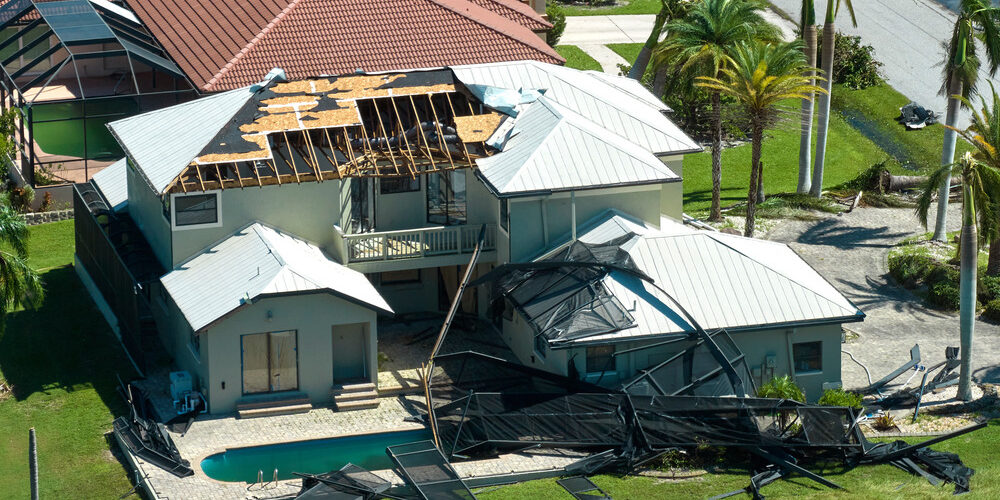
Property damage can disrupt daily life in seconds. A burst pipe, fire, or severe storm often leaves confusion and urgent questions. The first day after the incident plays a major role in how smoothly recovery moves forward. Quick yet thoughtful steps can protect safety, reduce added loss, and support future repairs. Clear priorities during this short window can ease stress and help regain control of the situation.
During these early hours, many property owners look for guidance from trusted professionals. In areas prone to harsh weather, support from a disaster restoration company in ND often becomes part of the early decision process. Local experience, fast response, and knowledge of regional risks can influence how effectively the next steps unfold.
Check Safety First
Safety must take priority over every other task. Hazards can remain hidden even after the event appears over. Shut off utilities if any doubt exists about leaks or sparks. Power lines, gas odors, or wet outlets call for distance and caution. Keep children and pets away from affected areas. Structural weakness can exist even if the walls look fine. If the site feels unsafe, wait for trained help before entry.
Protect the Structure From More Harm
After safety checks, steps that limit further harm come next. Rain, debris, or pests can worsen damage in hours.
Cover Exposed Areas
Use tarps or boards to cover roof gaps or broken windows. This step helps block rain and wind. Temporary barriers help maintain interior conditions until full repair begins.
Remove Immediate Threats
- Clear loose debris near doors or walkways
- Place buckets under the roof leaks
- Move furniture away from wet zones
Small actions can prevent large losses later.
Record the Damage Clearly
Accurate records help with insurance and repair plans. Details from the first day often prove valuable later.
Photo and Video Proof
Take clear photos of each room and damaged item. Wide shots and close views both help. A video can show the overall condition and layout.
Written Notes
- Date and time of the event
- Areas affected
- Any steps taken after the event
Keep all notes in one place for easy access.
Handle Insurance Steps Early
Contact the insurance provider as soon as possible. Early notice helps start the claim process and sets clear expectations. Share only facts without guesses about cause or cost. Ask about coverage limits and next steps. Keep copies of every email or form. A claim number can help track progress and reduce delays.
Professional Help at the Right Time
Severe damage often calls for trained crews. Fire residue, water saturation, or mold risk needs expert care. A qualified disaster restoration company in ND can address cleanup, odor control, and structural care based on local codes. This support can help stabilize the site and prepare it for full repair. Choose providers with proper licenses and clear communication. Avoid rush decisions, yet avoid long delays.
Plan the Next Days
The first day sets the tone, yet recovery takes time. Arrange short-term housing if needed. Secure valuables and important papers. Create a simple task list for the next week. Regular updates with insurers and repair teams help keep progress steady. Patience and clear records reduce stress and help guide each step forward.
The first 24 hours after property damage can feel overwhelming, yet clear actions help restore order. Safety checks, damage records, and early contact with insurers all play key roles. Temporary protection steps can prevent further harm. Expert support may help guide complex repairs. Calm decisions during this early window can protect both property and peace of mind.
