
Key Takeaways
- Décor plays a major role in shaping the atmosphere of an afternoon tea setup.
- Tiered displays and coordinated tableware are commonly used to support food presentation.
- Floral styling helps soften buffet layouts and create a more polished environment.
- Linen selection and signage contribute to both branding and guest flow management.
Introduction
Visual presentation is an important part of both afternoon tea catering and high tea buffet catering setups. Unlike standard buffet arrangements that focus mainly on food quantity and service speed, tea-based catering events often place greater emphasis on styling, table arrangement, and guest experience. Décor choices influence how food is displayed, how guests move around the venue, and how formal or relaxed the event feels overall.
Whether the event is a corporate gathering, bridal shower, networking session, or private celebration, certain décor elements regularly appear in tea catering environments. These additions are not purely decorative. Many also support practical functions such as improving accessibility, organising serving zones, and maintaining visual consistency across the venue.
1. Tiered Stands and Elevated Food Displays
One of the most recognisable décor features in afternoon tea catering is the use of tiered serving stands. These displays are closely associated with traditional tea service and are commonly used to separate savoury items, pastries, desserts, and sandwiches across multiple levels. Besides saving table space, tiered stands also create height variation, which helps buffet tables appear more organised and visually balanced.
Meanwhile, in modern high tea buffet catering setups, caterers may combine classic metal or porcelain stands with contemporary risers made from acrylic, wood, or glass. This approach creates a layered display that makes the food table look fuller without overcrowding it. Elevated displays also improve accessibility by allowing guests to identify menu items more easily from different angles.
The choice of display materials often depends on the tone of the event. Corporate functions may favour minimalist stands with neutral colours, while social celebrations may include decorative textures, gold accents, or themed presentation pieces.
2. Coordinated Tableware and Linen Styling
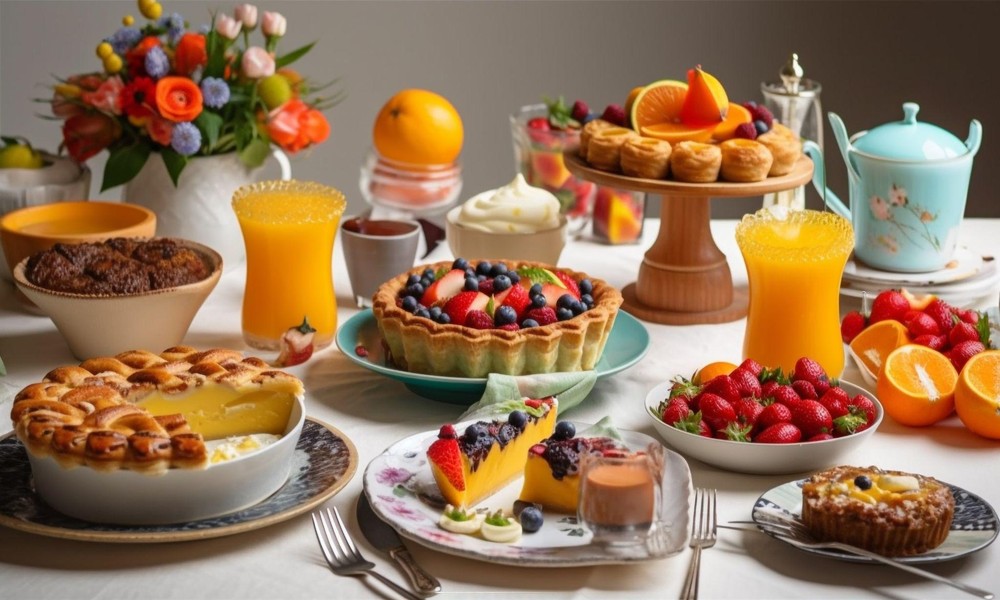
Tableware coordination is another common décor element that shapes the overall presentation of tea catering events. Plates, cups, saucers, serving trays, and cutlery are usually selected to match a consistent visual theme. This approach creates a cleaner appearance and prevents the buffet setup from looking mismatched or improvised.
Linen styling also plays a major role. Tablecloths, runners, and napkins are often chosen based on venue lighting, floral arrangements, or event branding. Neutral shades remain common because they allow food items to stand out visually, though some events use pastel tones or darker colours depending on the occasion.
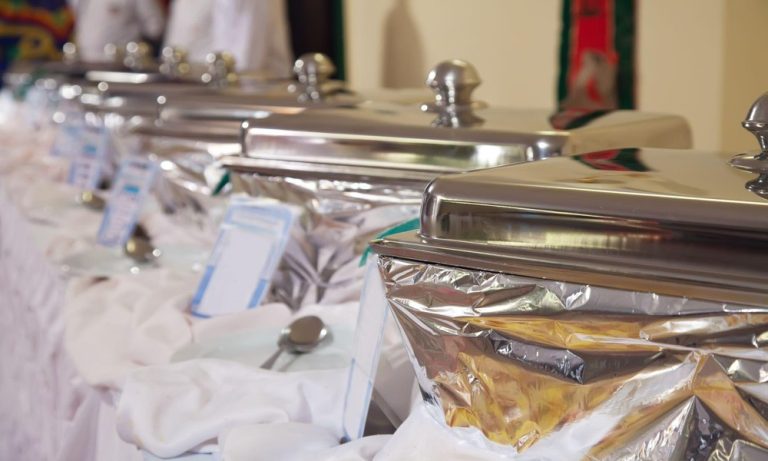
Additionally, for larger high tea buffet catering events, linen placement can also help define service zones. Separate fabrics or table arrangements may distinguish beverage counters, dessert sections, and savoury stations. This approach improves guest movement and reduces congestion around the buffet area.
3. Floral Arrangements and Decorative Centrepieces
Fresh flowers are commonly used to soften the appearance of buffet setups and dining tables. Floral décor is particularly common in afternoon tea catering because tea-themed events are often associated with lighter daytime aesthetics. Small floral centrepieces placed across guest tables or buffet counters help create a more polished and inviting environment.
The scale of floral styling usually depends on the venue size and event type. Compact arrangements are often used for corporate events to avoid obstructing conversations, while social events may feature larger installations around serving stations or entrance areas. Seasonal flowers are frequently selected to match the event theme or colour palette.
Some caterers also combine flowers with candles, decorative trays, or framed menu displays to create a more complete visual setup. These additions help fill empty table spaces without making the buffet look cluttered.
4. Signage and Menu Labelling
Signage is both a decorative and functional element in tea catering setups. Labels placed beside food items help guests identify flavours, ingredients, and dietary information quickly. This addition becomes especially important during large high tea buffet catering events where multiple pastries, desserts, and finger foods are served simultaneously.
Modern setups often use acrylic signage, printed menu cards, chalkboard labels, or framed table signs to match the event style. Besides food labels, directional signs may also guide guests toward beverage stations, seating sections, or self-service counters.
Meanwhile, for branded corporate events, signage may incorporate company colours, logos, or event messaging. This approach helps maintain visual consistency across the venue while supporting the overall presentation of the catering setup.
Conclusion
Décor plays a practical and visual role in both afternoon tea catering and high tea buffet catering environments. Elements such as tiered displays, coordinated tableware, floral arrangements, and signage help improve presentation while also supporting guest flow and food accessibility. Once combined effectively, these décor features contribute to a more organised and cohesive catering experience without distracting from the food itself.
Contact Elsie’s Kitchen and let us structure your afternoon tea events for both visual presentation and operational efficiency.