
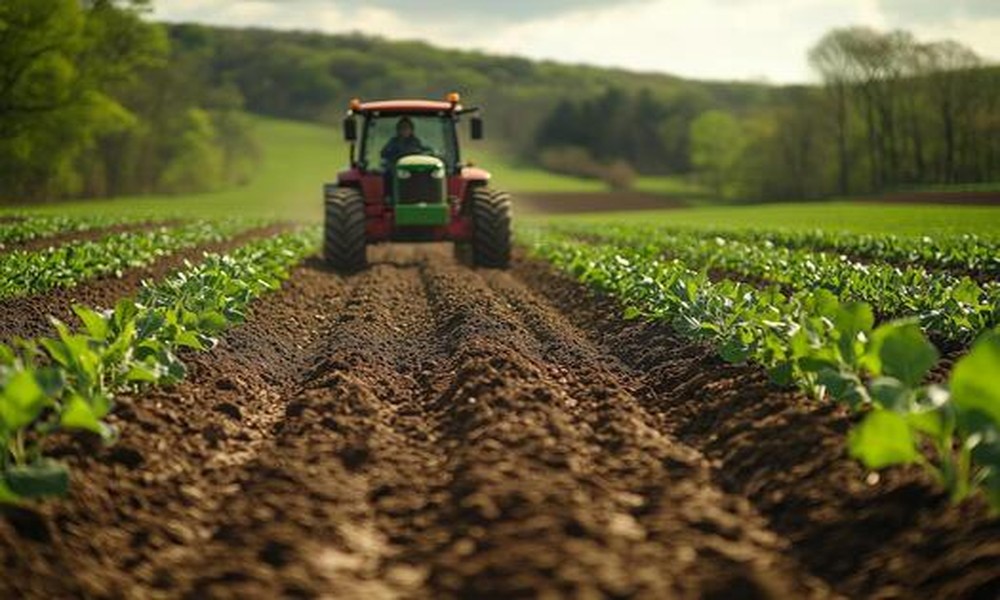

Efficient farming is essential for maintaining profitability, especially as input prices and labour costs continue to rise. For many farmers, the challenge lies in improving productivity without significantly increasing operational expenses. By choosing the right tools for efficient farming, it is possible to enhance efficiency while keeping costs under control.
Choosing Multi-Functional Equipment
Investing in tools that can perform multiple tasks is a practical way to reduce expenses. Multi-functional equipment allows farmers to handle various operations with a single machine, eliminating the need for multiple purchases.
Examples include:
- Tractors with interchangeable attachments
- Seed drills that also handle fertilizing
- Loaders are used for both transport and material handling
Adopting Precision Farming Tools
Precision farming tools help optimize the use of resources such as water, fertilizers, and pesticides. These tools ensure that inputs are applied only where needed, reducing waste and saving money.
Benefits of precision tools:
- Lower input costs
- Improved crop health and yield
- Reduced environmental impact
Utilizing Manual and Low-Cost Innovations
Not all efficiency improvements require expensive machinery. Simple and affordable tools can also make a significant difference. Hand tools, improved irrigation methods, and low-cost innovations can enhance productivity without adding financial burden.
Implementing Smart Irrigation Systems
Water management is a key factor in farming efficiency. Drip irrigation and sprinkler systems help deliver water directly to crops, minimizing wastage and reducing utility costs. These systems are especially useful in areas where water resources are limited.
Regular Maintenance of Equipment
Proper maintenance of existing tools is often overlooked but plays a crucial role in cost control. Well-maintained equipment operates more efficiently, consumes less fuel, and lasts longer. Preventive maintenance helps avoid expensive repairs and downtime.
Sharing and Renting Equipment
For farmers who cannot afford to purchase expensive machinery, renting or sharing equipment is a cost-effective alternative. Cooperative models allow multiple farmers to use the same tools, reducing individual investment while still benefiting from modern equipment.
Training and Skill Development
Using tools effectively is just as important as choosing the right ones. Farmers who are trained in modern techniques and equipment usage can maximize efficiency and reduce errors. This leads to better resource utilization and lower operational costs.
Monitoring and Planning Operations
Efficient farming also depends on proper planning. Keeping track of resources, scheduling tasks, and monitoring crop performance helps identify areas for improvement. Simple record-keeping tools or mobile apps can assist in managing operations more effectively.
By selecting the right combination of tools and strategies, farmers can improve productivity without increasing their expenses. Efficient farming is not always about spending more-it is about making smarter choices, optimizing resources, and maintaining consistent performance for long-term success.