

A sense of security is no longer just a wish for Nigerian families; it is now a practical necessity woven into daily life. The landscape of personal safety has shifted dramatically, and traditional measures are simply not enough to navigate the realities on the ground.
Rising Security Challenges Facing Nigerian Families
In cities like Lagos and Abuja, the question is not if, but when safety concerns will touch close to home. Nigeria’s security environment is marked by unpredictability: from armed robberies and carjackings to sporadic civil unrest and kidnappings. These threats are not limited to a specific region or social class. They cut across urban and rural boundaries, affecting business leaders, public servants, and everyday families alike.
For many, the most tangible impact is felt behind the wheel. Commutes that used to be routine now carry an edge of anxiety. Daily errands can quickly turn into dangerous encounters, particularly in traffic bottlenecks or less-policed areas after dark. The burden of navigating these risks often falls squarely on families seeking normalcy.
Why Traditional Safety Measures Are No Longer Enough
Community vigilance, home security systems, and personal bodyguards provide some reassurance, but all have clear limitations on the move. Conventional vehicles offer little real defense against armed threats. Locked doors and tinted windows might deter petty crime, but they are powerless in the face of a determined, violent attack.
Unarmored cars essentially leave families exposed. Even high-end luxury SUVs lack the structural reinforcements needed to withstand bullets or forced entry. The path forward demands a solution that is both proactive and reliable, not merely reactive or symbolic.
The Role of Discreet Armored SUVs in Enhancing Family Security
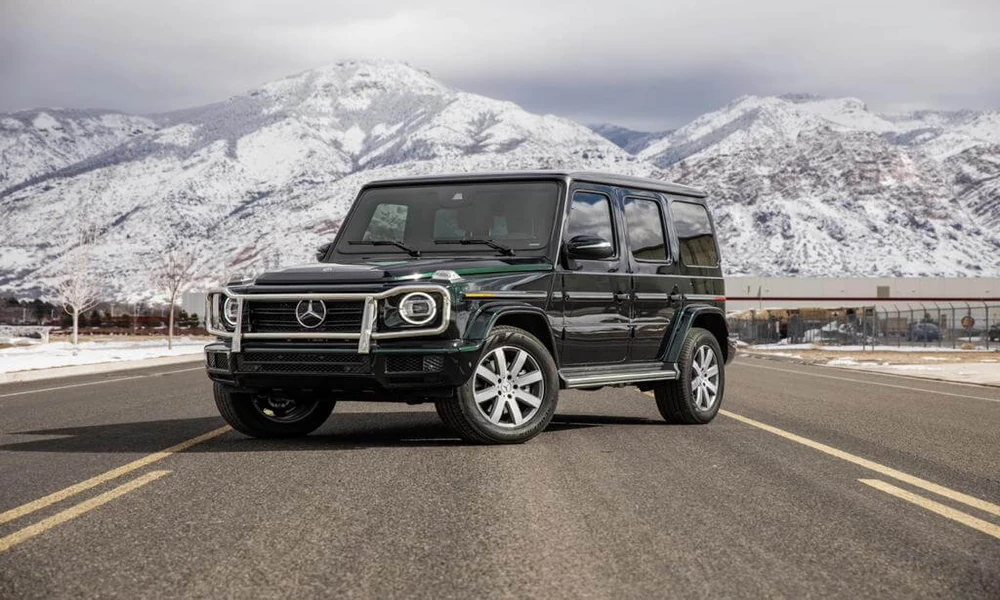
Enter the era of discreet armored SUVs: vehicles that look and drive like standard models yet conceal formidable protection beneath the surface. Unlike military-style transports, these vehicles blend into daily urban life, avoiding attention while delivering genuine peace of mind.
What sets armored SUVs apart is the certified ballistic protection they provide, measured in levels from B4 to B7. Each level corresponds to the ability to withstand different calibers and types of attacks, ranging from handguns to armor-piercing rifles. Families can opt for the protection level that matches their specific risk profile, ensuring tailored security without unnecessary excess.
Crucially, these vehicles do not trade comfort or style for safety. Modern armored SUVs retain the luxury, spaciousness, and smooth handling expected of premium vehicles, while their reinforced structures are invisible to casual observers.
Key Features of Discreet Armored SUVs for Nigerian Families
The foundation of an armored SUV lies in its materials and engineering:
– Bullet-resistant glass that looks and feels just like factory windows.
– Armored steel panels hidden within the doors, roof, and floor, forming a protective cocoon.
– Run-flat tires that keep the vehicle moving even after losing air.
– Low-profile design preserves anonymity, essential for avoiding unwanted attention.
Performance is not sacrificed in the name of security. These vehicles are rigorously tested to maintain acceleration, handling, and braking capabilities, whether navigating Lagos gridlock or rural backroads. Added technologies (such as emergency alarms, GPS tracking, and reinforced battery protection) offer another layer of assurance, while dual-zone climate control, plush seating, and infotainment systems ensure family comfort remains uncompromised.
How Armored SUVs Address Specific Nigerian Security Concerns
For those navigating the bustling streets of Lagos or venturing between states, armored SUVs offer unparalleled adaptability. In high-risk traffic zones, where incidents often occur, reinforced doors and ballistic glass make a crucial difference. For travel between cities, where help can be hours away, these vehicles provide both deterrence and last-resort protection.
Executives and government officials were among the early adopters, but today, families and private individuals increasingly see the value. The appeal is simple: maintain daily routines and freedom of movement, knowing every journey is shielded by a discreet layer of security.
Choosing the Right Armored SUV for Your Family’s Needs
Selecting an armored SUV begins with a clear-eyed assessment of your family’s security risks: where you live, the routes you travel, and the nature of potential threats. Protection levels (B4 for lower-risk urban environments up to B7 for extreme threats) and customization options make it possible to strike the right balance between safety, discretion, and budget.
Partnering with a trusted provider is essential. Those seeking expertise can turn to Troy Armoring Nigeria, known for delivering certified, internationally compliant armored vehicles tailored to the Nigerian context. Their advisory services help families pinpoint the right solution without guesswork.
Practical Steps to Obtain and Maintain an Armored SUV in Nigeria
Acquiring an armored SUV is straightforward and fully legal in Nigeria. The process typically involves:
– Choosing your make, model, and armoring level.
– Consulting for a security assessment and customization.
– Waiting 8-16 weeks for delivery, with discreet shipping and local compliance handled by the provider.
Once delivered, maintenance is similar to a standard SUV, with periodic checks on armored components and security features. Comprehensive guidance ensures long-term reliability and safety.
Taking Action: Securing Peace of Mind for Your Family
The path to greater security begins with a conversation. Most reputable providers offer a complimentary assessment to evaluate your unique needs and recommend the most effective options. During this consultation, families can ask tough questions, understand their choices, and move forward with confidence.
In today’s Nigeria, peace of mind on the road is no longer a privilege reserved for the few. With the right armored SUV and guidance from a trusted partner, every family can reclaim a sense of safety, without sacrificing comfort or blending in.