

The air inside a home can hold more pollutants than most people expect. Dust, mold spores, chemical vapors, and allergens can build up without any visible trace. Many families deal with health symptoms for months before they connect the cause to the air at home.
A simple home can become a source of constant discomfort when the air goes unchecked. This article covers the key signs that point to a need for professional Indoor air quality services.
Odd Scents and Stagnant Air
Strange smells that never go away point to a source of contamination. A house should smell fresh or neutral rather than sour or chemical. New furniture or recent renovations sometimes release gases that stay trapped in a tight building.
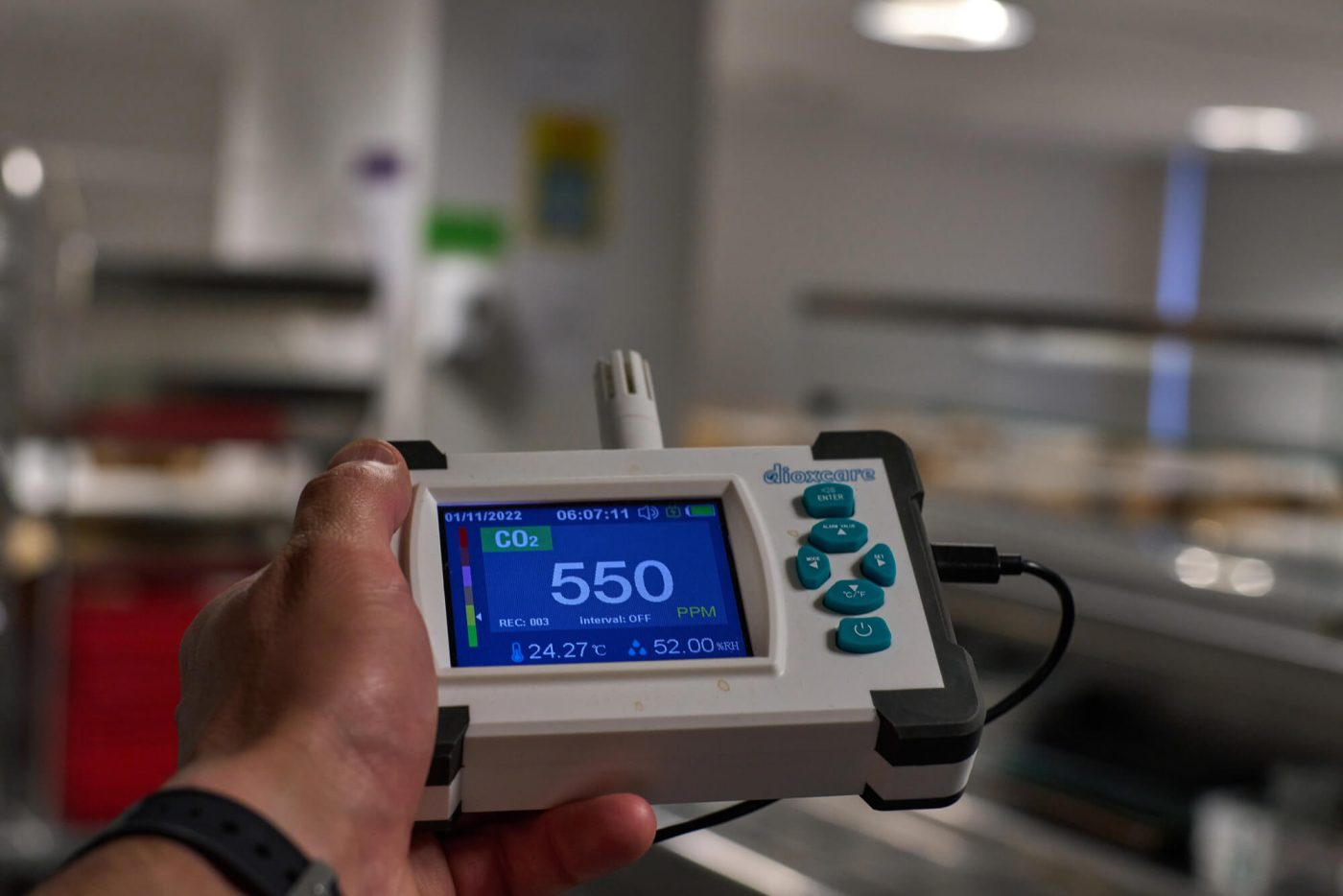
Indoor air quality services can measure these chemical levels to ensure they stay within a safe limit. Stagnant air feels heavy and makes it hard to breathe comfortably during the day. Proper testing reveals if the ventilation system provides enough fresh oxygen to the interior.
Visible Dust Accumulation and Surfaces
Heavy dust on furniture can indicate a failure in the filtration system. Surfaces that become grey shortly after a thorough scrub suggest that the ventilation lacks efficiency. This buildup contains skin cells, pet dander, and outside dirt that circulates through the vents. Air ducts might harbor thick layers of debris that blow into the living areas whenever the heater or cooler runs. A professional inspection determines if the current filters work correctly or if the ductwork requires a deep clean.
Excessive Moisture and Mold Growth
High humidity creates a perfect habitat for biological growth on walls or ceilings. Water spots or fuzzy patches near windows signal that the moisture levels remain too high for safety. These conditions lead to spores that travel through every room in the structure.
- Dark spots on bathroom tiles or basement walls show where fungus thrives.
- Condensation on window glass indicates that the indoor humidity stays above the ideal range.
- Peeling wallpaper or bubbling paint hides dampness within the wall cavity.
- Musty scents that linger in closets point toward trapped moisture issues.
Recent Home Renovations or Repairs
Construction projects stir up old debris and introduce new chemicals into the living space. Sanding wood or drywall creates fine particles that settle deep into carpets and upholstery. New carpets or fresh paint emit volatile compounds that may cause dizziness or nausea.
- Fine white dust from drywall work bypasses standard vacuum filters.
- Sawdust from flooring projects can clog the vents and reduce airflow.
- Chemical odors from glues or sealants suggest that the air needs more circulation.
- Debris from old insulation might fall through cracks during an attic renovation.
Inconsistent Airflow and Temperature
Some rooms might feel much stuffier than others due to poor distribution. A vent that barely blows air suggests a blockage or a leak in the system. When one area stays cold while another stays hot, the air likely does not move as it should. This lack of movement allows pollutants to settle and concentrate in specific zones of the house. Professionals use tools to check the pressure and flow throughout the entire building. They find the source of the restriction to restore a balanced and clean atmosphere.
Professional testing identifies hidden hazards like radon or carbon monoxide before they cause serious harm. Homeowners gain clarity on the exact state of their environment through scientific data. Schedule a comprehensive assessment if family members suffer from unexplained allergies or if the house smells damp. This proactive step removes guesswork and allows for targeted solutions that fix the root cause of poor atmospheric conditions.